
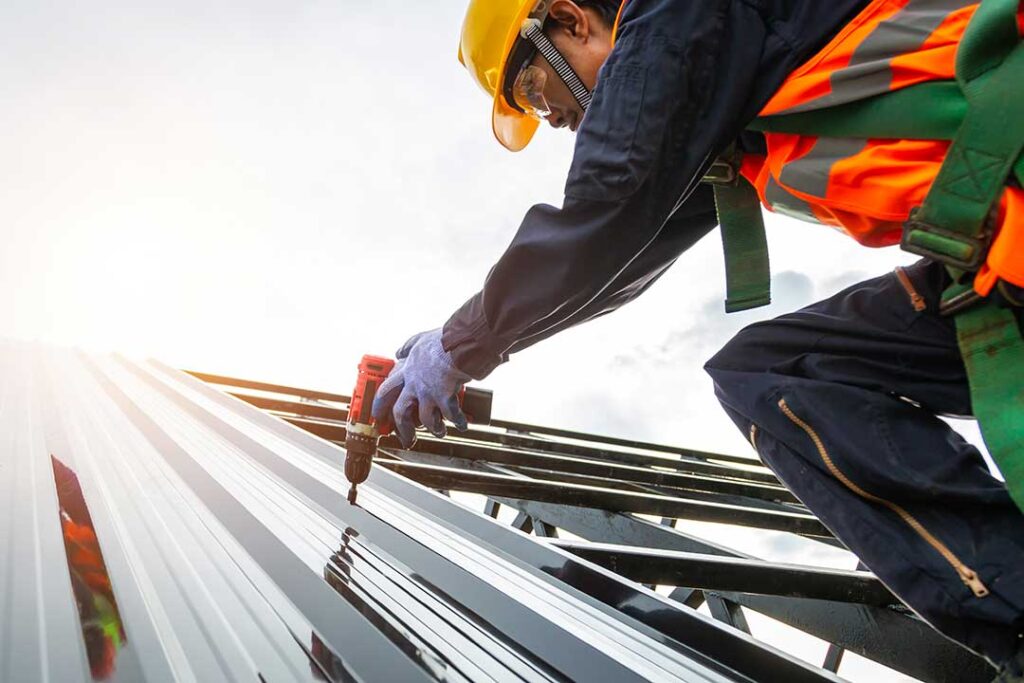
Roof problems do not stop during a pandemic, severe storm, supply shortage, or other community crisis. The safest approach is to separate the situation into two questions: Does the roof need immediate stabilization, and how can the work be completed with the least avoidable risk?
For households in Moravia, NY, seasonal conditions add urgency. Heavy snow, ice, wind, rain, and freeze-thaw cycles can turn a small opening into interior water damage quickly. At the same time, roof work involves ladders, slippery surfaces, falling debris, and close coordination between people. A crisis plan should address both property protection and human safety.
How can a homeowner tell whether a roof problem is urgent?
A roof problem deserves prompt attention when water is entering the living space, the roof structure appears unsafe, or damage could worsen before conditions improve. Not every damaged shingle requires immediate work, but active leaks and structural concerns should not be ignored.
Signs of an urgent problem include:
- Water dripping through a ceiling or wall
- A sagging area on the roof or ceiling
- Large sections of missing shingles or exposed underlayment
- Tree or branch impact
- Damaged flashing around a chimney, vent, or roof edge
- Ice-related damage followed by interior staining
- Electrical fixtures or wiring affected by water
If water is near electrical equipment, avoid touching wet fixtures or standing water. If the ceiling is bulging, keep people away from the area because saturated materials can fail without much warning.
A roof can sometimes appear intact from the ground while water is entering through a small penetration. Interior signs such as damp insulation, peeling paint, musty odors, or new stains may indicate that the leak has been active longer than it first appeared.
What temporary steps can limit damage?
Temporary measures should protect the building until a permanent repair is safe and practical. They should not require climbing onto a wet, icy, steep, or visibly unstable roof.
Reasonable short-term actions may include:
- Place containers beneath active drips and move furniture or electronics away from the area.
- Photograph the roof damage and interior staining from safe locations.
- Clear water from floors to reduce secondary damage.
- Use a tarp only when it can be placed safely from the ground or another secure position.
- Keep gutters, downspouts, and roof edges clear of easily reachable debris.
- Mark the area below loose materials so children, visitors, and pets do not walk beneath it.
Do not nail or screw through roofing materials simply to hold a tarp in place unless the method is understood and the roof can be accessed safely. Improper temporary work can create additional holes or make later repairs more difficult.
During cold weather, do not chip aggressively at ice dams from the roof edge. Striking roofing materials can break shingles, gutters, or flashing. Interior water management and safe temporary protection are usually preferable to risky roof access.
How should roof repairs be handled during COVID-19 or another respiratory-virus outbreak?
The work can often be organized with limited indoor contact. The main controls are communication, outdoor coordination, cleaner indoor air, and postponing nonessential face-to-face discussions when someone is ill.
Before work begins, establish the basic plan by phone, text, or email:
- Describe the symptoms and visible damage.
- Share photographs taken from the ground or from inside the home.
- Identify which rooms or exterior areas must be accessed.
- Decide where materials and debris will be placed.
- Agree on how updates, changes, and payment records will be handled without unnecessary indoor meetings.
Anyone with respiratory symptoms should avoid close contact with workers and household members when possible. Current CDC guidance recommends staying away from others while sick and using added precautions such as cleaner air, physical distance, good hygiene, and a well-fitting mask when people must share space. ([cdc.gov](https://cdc.gov/respiratory-viruses/prevention/precautions-when-sick.html?utm_source=openai))
If indoor entry is necessary, open windows when weather and security allow, run suitable ventilation equipment, and use a portable high-efficiency particulate air cleaner if available. Cleaner air measures are especially useful when a worker or household member may have been recently exposed or is recovering from illness. ([cdc.gov](https://www.cdc.gov/respiratory-viruses/prevention/air-quality.html?utm_source=openai))
Masks can reduce exposure, particularly during brief indoor conversations or work in confined areas. A well-fitting, more protective mask is generally more useful than a loose covering. Masks should supplement—not replace—staying home when sick and improving ventilation.
What safety precautions matter most during a crisis?
A health emergency does not make ordinary roof hazards less serious. Roofing remains elevated work, and fall protection is a central safety issue. OSHA identifies falls as a leading cause of death in residential construction and provides guidance for roofing and roof repair work. ([osha.gov](https://www.osha.gov/residential-fall-protection/guidance?utm_source=openai))
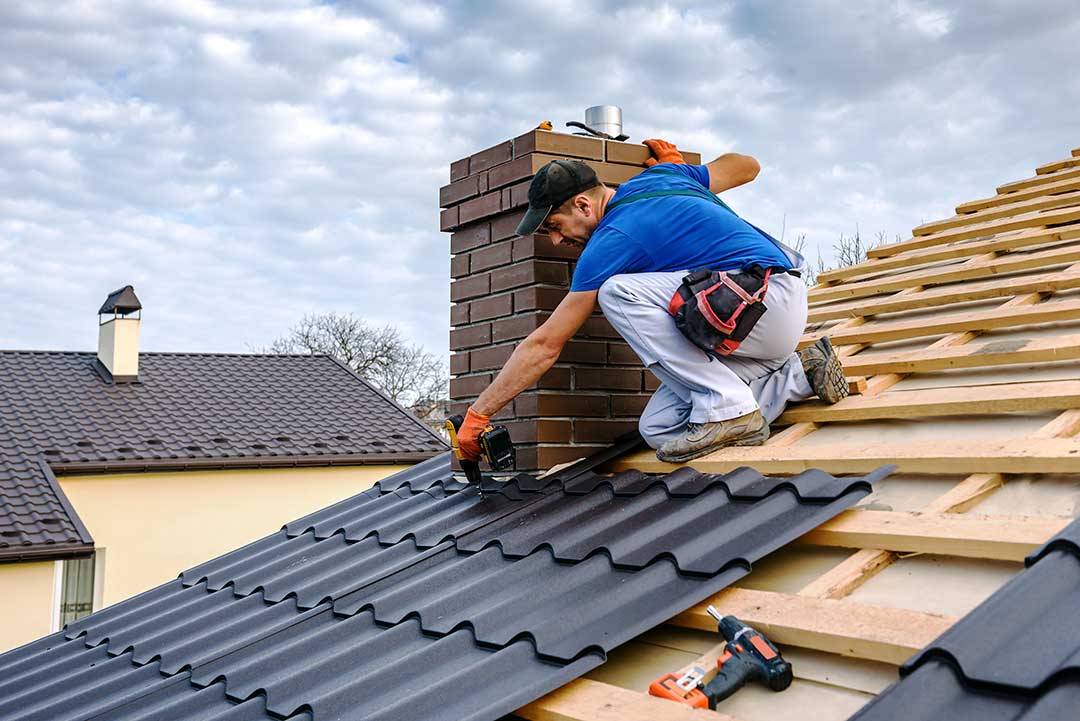
Homeowners should not climb onto a roof to inspect or repair it when surfaces are wet, icy, snow-covered, wind-exposed, or steep. Extension ladders can shift, and hidden damage may not support a person’s weight. Walking on brittle shingles can also cause more damage.
For any work that requires roof access, the work plan should account for:
- Fall protection appropriate to the roof and task
- Stable ladder placement and safe access
- Weather conditions and wind limits
- Protection from falling tools and debris
- A clear exclusion zone below the work area
- Safe handling of damaged roofing, nails, and contaminated materials
A crisis can create pressure to work quickly, but rushing often increases the chance of a fall or incomplete weatherproofing. If conditions are unsafe, stabilizing the interior and waiting for safer access is usually more responsible than attempting an emergency roof climb.
How should residents prepare for delays, shortages, or restricted access?
During widespread emergencies, materials, transportation, labor availability, and inspection schedules may be disrupted. A temporary repair may therefore remain in place longer than expected.
Document the condition before and during temporary work. Keep:
- Dated photographs
- Notes about when the leak began
- A list of rooms or belongings affected
- Receipts for emergency materials
- Written descriptions of any temporary protection
- Weather information connected to storm damage, when relevant
Do not assume that a temporary covering is a permanent repair. Tarps can loosen, flashing can remain bent, and wet insulation may continue causing problems after the visible leak stops. Recheck ceilings, attic areas, and wall surfaces after the next significant rain or thaw.
If a disaster declaration or insurance claim may apply, preserve damaged materials when safe and practical, and document the condition before discarding anything. Assistance rules vary by event and location, and emergency programs may require proof that damage resulted from an eligible incident. FEMA materials describe documentation, temporary stabilization, and basic home repair assistance as separate considerations rather than automatic coverage. ([fema.gov](https://www.fema.gov/sites/default/files/documents/fema_ia-quick-reference_habitability.pdf?utm_source=openai))
What should a household do if someone is medically vulnerable?
A household member with a higher risk of severe illness may need a stricter access plan. Keep work outdoors whenever possible, identify a separate entrance, and avoid sending workers through bedrooms or shared living areas unless necessary.
The household can designate one person to communicate about the repair, keep indoor doors closed, and arrange for vulnerable residents to remain in a separate part of the home or away from the property during active work. If the repair involves dust, insulation, mold, or extensive interior opening, additional precautions may be needed beyond respiratory-virus controls.
The goal is not to eliminate every risk. It is to prevent an avoidable combination of hazards: a worsening leak, unsafe roof access, unnecessary indoor exposure, and poor documentation. A measured plan can protect the structure while allowing essential repairs to proceed as safely as conditions permit.
